How Much Can Inaccurate Land Measurement Cost You?
A Story Every Southeast Asian Farmer Should Hear
Many farmers in Southeast Asia still measure land by “guessing with the eyes,” using footsteps, ropes, or old maps. But a small mistake in area can slowly eat away profit—season after season—without anyone noticing.
This is a story that happens every day in Thailand, Indonesia, Vietnam, the Philippines, Cambodia, and Malaysia.
🌾 The Case of the Thai Farmer Who Paid Rent for Land He Never Used
Somchai, a rice farmer from northern Thailand, rented what he believed was 10 rai of farmland. The landowner also estimated by memory, so both sides trusted the number.
But during harvest season, Somchai noticed something strange:
his fertilizer ran out too fast, and his workers kept complaining that the field felt “bigger than 10 rai.”
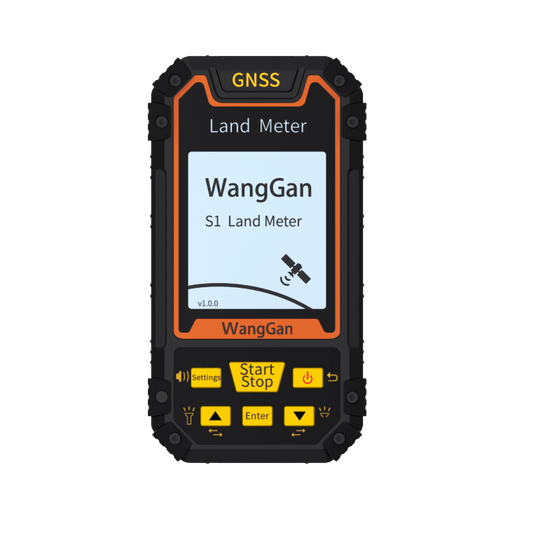
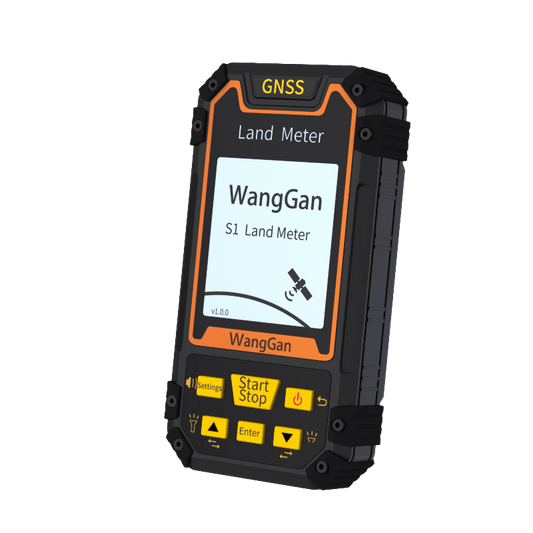
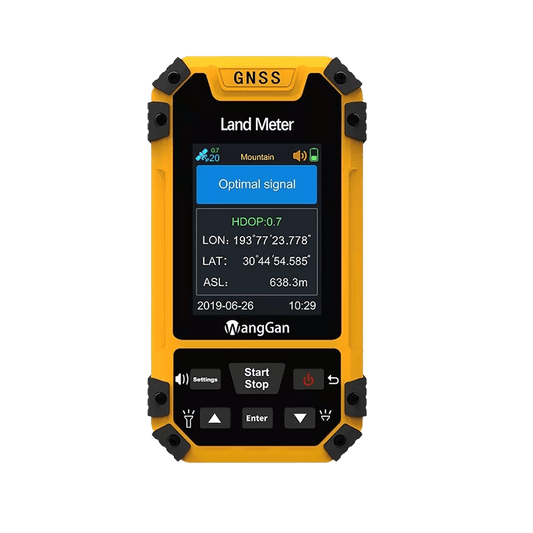
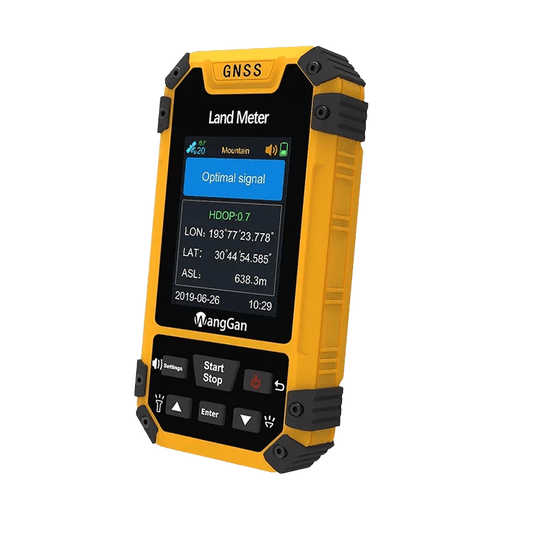
One day, after borrowing a WANGGAN land meter, Somchai measured the boundary by simply walking around it.
The result shocked him:
11.2 rai — not 10.
This meant one thing:
He had been paying extra rent, buying extra fertilizer, and hiring more workers than he needed.
The mistake had been costing him money for three seasons in a row.
👨🌾 The Indonesian Farmer Who Overpaid His Workers
Across the border in Indonesia, Putra hired a group of laborers to harvest what he assumed was 2 hectares of maize. The workers quoted a price based on that size, and Putra agreed.
But when the job was done, the workers finished much earlier than expected.
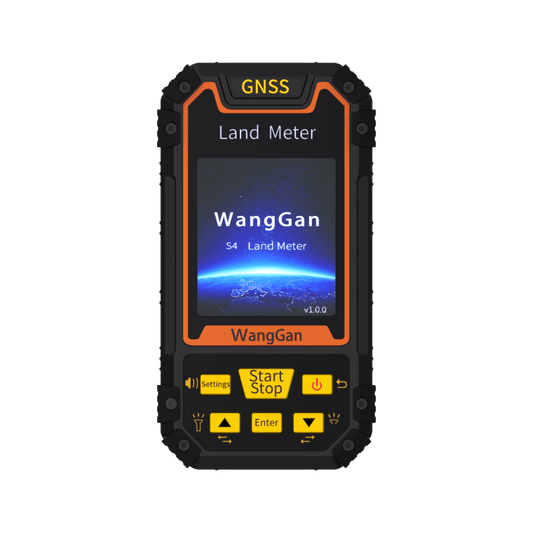
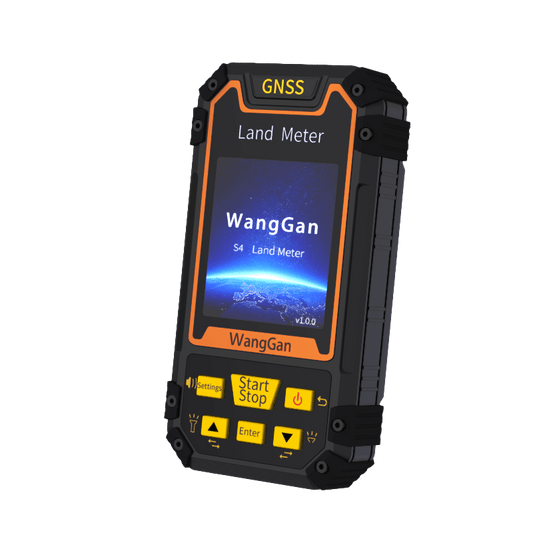
Curious, Putra used a GNSS land meter to check the area himself.
To his surprise, the field was only 1.6 hectares.
That 0.4-hectare mistake meant he overpaid labor by 25%—money that should have stayed in his pocket.
“It was like giving away my profit for free,” he later said.

🌱 A Vietnamese Farmer Who Bought Too Much Fertilizer
In Vietnam, farmer Lan always believed her vegetable garden was 1 hectare. Every season, she bought fertilizer, pesticides, and seeds according to that estimate.
But the results were never good—either too much fertilizer burned the soil, or seeds went unused.
One afternoon, her neighbor showed her a small WANGGAN land meter. They walked the field together.
Actual size: 0.78 hectares.
For years, Lan had been spending 22% more than necessary on farm inputs.
“Just knowing the correct area changed everything,” she said.
“Now I buy exactly what I need—nothing more, nothing less.”
🚜 A Filipino Family Who Misjudged Their Harvest Plan
In the Philippines, the Dela Cruz family planned their cassava harvest weekend based on the belief that their field was 3 acres.
They prepared extra tools, food, water, and fuel for several days of work.
Using a land meter before starting, they discovered the field was actually 2.4 acres.
They had wasted a full day of preparation. The father joked:
“We worked harder planning than harvesting!”
A simple land measurement would have saved time, fuel, and effort.
💰 The Hidden Cost Behind These Stories
Across Southeast Asia, inaccurate land measurement quietly causes:
-
Overpaid farmland rent
-
Wasted fertilizer and pesticides
-
Unnecessary seed purchases
-
Higher labor costs
-
Unreliable farm planning
-
Lower profit margins
All because the area was never measured correctly.
Most farmers lose anywhere from $200 to $800 per season—without ever realizing the real reason.

🌍 One Small Tool That Prevents Big Losses
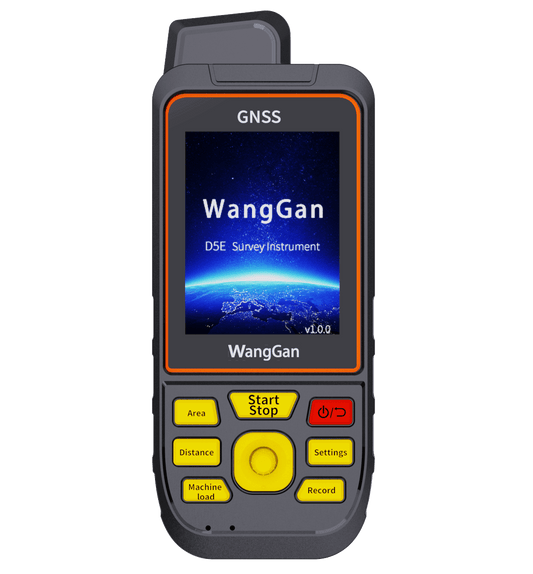
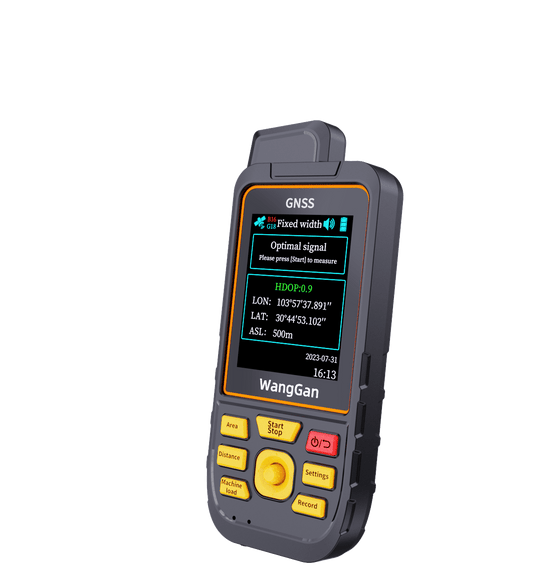
Modern WANGGAN land meters use high-precision GNSS multi-satellite positioning to:
✔ Measure irregular farmland accurately
✔ Navigate boundaries and save points
✔ Calculate total area in minutes
✔ Reduce human error
✔ Help farmers avoid unnecessary expenses
For farmers who rent land, buy inputs, or hire labor, accurate land measurement is not a luxury—it's protection for your profit.