5 Simple Habits for Better GNSS Data
Share
A GNSS locator can help you collect reliable location data—but good results also depend on good operating habits.
Here are five simple tips to get more from your locator in everyday field work.
1. Wait for a Stable Signal
Don't save important waypoints immediately after startup. Give the locator time to acquire satellite signals and wait until the positioning status is stable before recording key locations.
2. Work in Open Areas Whenever Possible
Trees, buildings, and other obstacles can affect satellite reception. When collecting important coordinates, choose an open area with a clear view of the sky whenever possible.
3. Stop Before Saving a Waypoint
When marking a boundary corner, sampling point, or inspection location, stop briefly before saving the waypoint. Recording while standing still helps create more consistent location data.
4. Back Up Your Field Data
Waypoints, routes, and tracks are valuable field records. Regularly export them to your computer using the Wanggan software to keep projects organized, create backups, and review previous work when needed.
5. Record Your Track
Keeping track recording enabled provides a record of your route throughout the day. It can help verify completed work, review travel paths, and make it easier to return along the same route if necessary.
Small Habits, Better Results
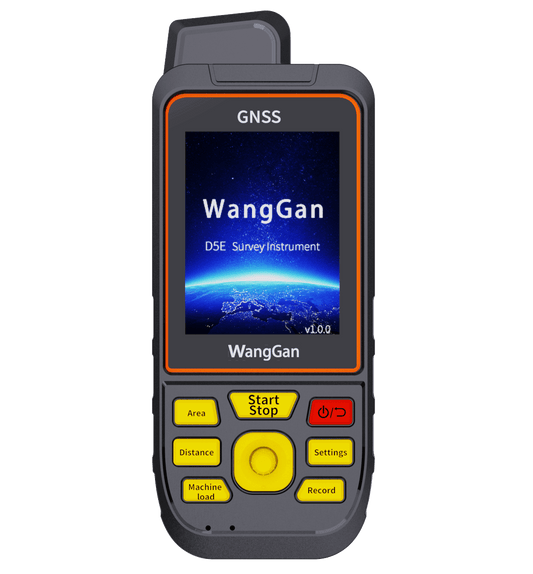
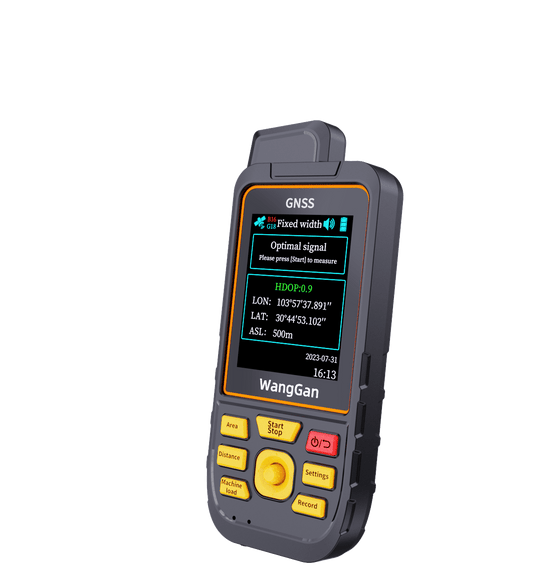
Reliable field data isn't only about the device—it's also about using it correctly. With features such as waypoint management, route navigation, track recording, and data export, the Wanggan Locator helps turn everyday field work into organized, reliable location records.